
GAUA, TUSAAG Strike: Education Minister Urges Unions to Return to Work
GAUA, TUSAAG Strike: Education Minister Urges Unions to Return to Work

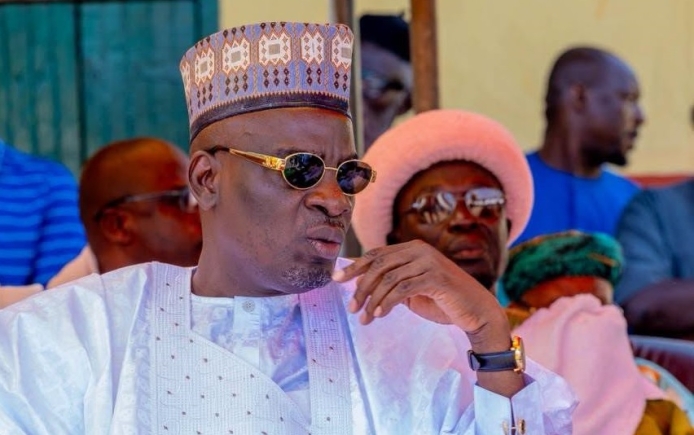
Call Off Strike – Education Minister Urges GAUA, TUSAAG
The Minister of Education, Haruna Iddrisu, has urged the Ghana Association of University Administrators (GAUA) and the Technical Universities Senior Administrators Association of Ghana (TUSAAG) to call off their ongoing strike to allow academic activities to resume at public universities across the country.
The minister said the government was committed to resolving the unions’ outstanding concerns through continued negotiations while ensuring that the academic calendar was not further disrupted. He expressed hope that public universities would reopen by October 18, 2026, to enable academic work to resume the following Monday.
Mr Iddrisu made the appeal after a meeting between the government and the two associations on Tuesday, October 13, 2026. The meeting focused on outstanding issues relating to research allowances, market premiums and disparities in remuneration among university staff.
The meeting was attended by the Chief Executive Officer of the Fair Wages and Salaries Commission (FWSC), Dr George Smith-Graham, officials from the Ministry of Finance and representatives of the Ghana Tertiary Education Commission (GTEC).
GAUA was represented by its president, Rev. Kwaku Karikari, and other senior members, alongside representatives of TUSAAG.
Education Minister Calls for Suspension of Strike
Mr Iddrisu urged the leadership of both associations to consult their members and suspend the industrial action while negotiations continued.
He said some of the concerns could be addressed immediately, including extending the retirement rollover arrangement to senior members of public universities through the Ministry of Education and GTEC.
The minister said the government was also working with the relevant institutions to resolve the outstanding issues surrounding market premiums and other conditions of service.
According to him, the FWSC was expected to take appropriate action on the issues within its mandate to help facilitate the unions’ return to work.
Mr Iddrisu further disclosed that the Minister of Finance had issued a warrant for the payment of the one-off research allowance. He explained that the remaining steps involved the Controller and Accountant-General’s Department, the Ministry of Education, GTEC and the payroll system.
He also confirmed that the Minister of Finance had signed a negotiated 40 per cent adjustment to market premiums and non-basic allowances, describing the matter as resolved from the government’s perspective.
However, the unions have raised concerns about how the adjustment was calculated and its implications for pay disparities between university administrators and teaching staff.
Government Seeks to Protect Academic Calendar
The Education Minister stressed that preserving the academic calendar remained a priority, particularly as the government sought to align the reopening of educational institutions across the country.
He said the September reopening schedule was important to President John Dramani Mahama’s Reset Agenda and urged the unions to consider the wider implications of the strike on students and the education sector.
Mr Iddrisu assured the associations that their legitimate concerns would receive the government’s attention, adding that negotiations could continue even after they suspended the industrial action.
He also indicated that he would ask GTEC to request public universities to proceed with reopening in anticipation of the unions’ return to work, subject to progress in addressing their concerns.
The minister expressed the expectation that all public universities would reopen no later than October 18, 2026.
Strike Disrupts University Activities
The ongoing strike has disrupted administrative and academic preparations at public universities, including the country’s 10 public technical universities.
The University of Ghana and the Kwame Nkrumah University of Science and Technology have postponed their reopening dates because of the industrial action.
The disruption has particularly affected fresh students, many of whom have been unable to complete registration and other essential processes ahead of the new academic year.
Other affected activities include student accommodation allocation, thesis defence programmes and administrative services required to support the daily operations of universities.
The absence of administrative staff has also affected the processing of fuel payments for university vehicles, with some fuel stations reportedly refusing to supply fuel because the necessary vouchers could not be processed.
At the University of Ghana, the president of GAUA, Augustine Amissere, said the impact of the strike was evident on campus, where registration and other essential activities had been disrupted.
He described the situation as a major setback to the resumption of academic work and said the unions hoped the minister’s intervention would produce a lasting solution.
Unpaid Research Allowance Behind TUSAAG Strike
The president of TUSAAG, Stanley Akamiragopam, said the association initially declared a strike on December 2, 2025, over the government’s failure to pay a one-time research allowance.
He explained that the Education Minister requested three months to resolve the issue during a meeting on December 20, 2025, leading to the suspension of the strike on December 22.
According to Mr Akamiragopam, the deadline expired on March 30, 2026, without payment. The minister subsequently requested an additional two weeks, but the allowance remained unpaid.
He said the affected universities had submitted data on eligible staff, which was verified by GTEC and the FWSC before being forwarded to the Ministry of Finance.
Despite the completion of the required processes, the association said its members had not received the payment by the promised July deadline, prompting them to resume the strike.
Disagreement Over 40% Pay Adjustment
Mr Akamiragopam said another major concern was the government’s decision to change the effective date of an interim arrangement negotiated with the FWSC from April 1 to July 1, 2026.
He said the arrangement was intended to help bridge the remuneration gap between university administrators, professional staff and university teachers.
However, TUSAAG argued that the 40 per cent adjustment had been calculated differently for administrators and lecturers.
According to the association, the increase for administrators was based on the inter-market premium and non-basic allowance, while the adjustment for university teachers covered four items, including online teaching support and payments from internally generated funds.
Mr Akamiragopam argued that applying the percentage to a larger salary base for university teachers would widen the existing pay disparity rather than address it.
He said the association’s position was based on historical developments in remuneration arrangements dating back to 1978 and 1982, negotiations with the FWSC in 2012 and a presidential directive on market premiums in 2013.
He further disclosed that the FWSC had initially requested a week to consult on the matter after the Education Minister intervened. However, the commission later sent the unions a four-page letter explaining why it would not continue the process, leading to the resumption of the strike.
“We are minded to pursue this to the letter,” Mr Akamiragopam said.
He added that the unions had been invited to the meeting with the minister and intended to listen to the proposals presented by the government.
GAUA Says Academic Work Has Ground to a Halt
Mr Amissere said the strike had significantly affected the University of Ghana, particularly following the postponement of its reopening date.
He explained that students were unable to complete registration, while administrative delays had affected student bed allocations, thesis defence programmes and other essential university services.
He also cited difficulties in processing fuel payments for university vehicles, saying the lack of administrative staff had affected the preparation of vouchers needed by fuel stations.
“Basically, academic work has come to a standstill, nothing is happening,” he said.
Mr Amissere added that the unions had already submitted written communiqués outlining their concerns and hoped the minister had consulted the relevant stakeholders to identify practical solutions.
He said the associations were looking forward to an outcome that would address their grievances and allow normal activities to resume.
With the government urging the unions to suspend the strike while negotiations continue, students and university authorities will be watching closely for developments that could determine when academic activities return to normal across the country’s public universities.