

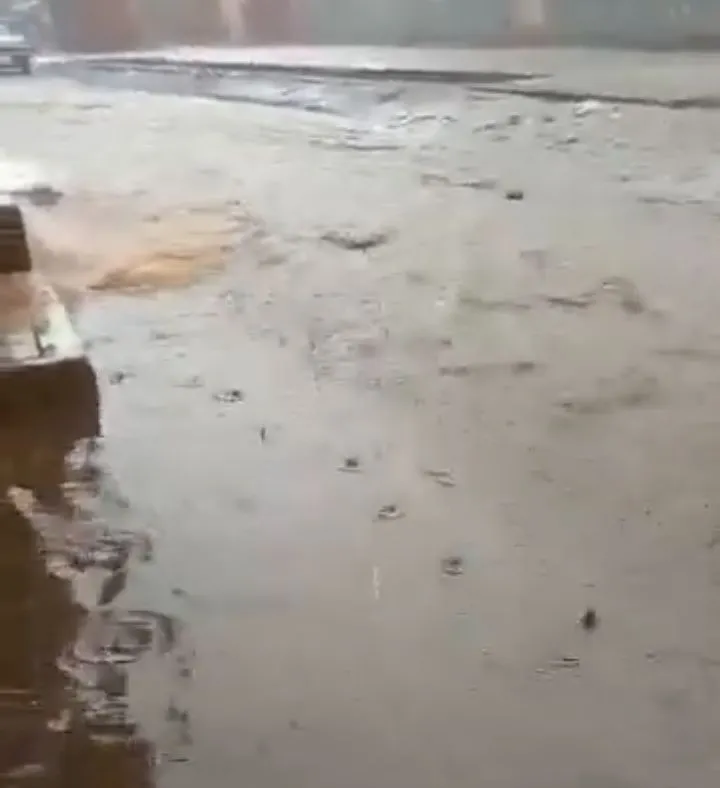
Recurring floods in Accra continue to cause widespread destruction, but many experts argue that the problem extends far beyond the intensity of seasonal rains. They believe poor urban planning, weak enforcement of building regulations, and unplanned land development remain the root causes of the city’s persistent flooding.
Over the years, rapid urban expansion has outpaced effective planning, resulting in settlements being established without adequate drainage systems, road networks or other essential infrastructure. In many newly developed communities, houses are constructed long before the government is able to provide basic services such as roads, drainage, electricity and water supply.
Observers also point to the indiscriminate sale of land in some communities without proper planning or layout approvals. This practice has contributed to irregular settlements, narrow access roads and buildings constructed on waterways and flood-prone areas.
Unlike planned communities such as Tema and Akosombo, which were developed through structured state planning in the 1950s, many urban areas across Ghana have grown organically without comprehensive development frameworks. As a result, several neighborhoods lack the infrastructure needed to effectively manage stormwater during periods of heavy rainfall.
The absence of proper drainage channels often leads to rainwater accumulating on roads and residential areas, increasing the risk of flooding, property damage and disruptions to economic activities.
Urban planners have consistently emphasized that effective enforcement of land-use regulations and building codes is essential to addressing the problem. Preventing unauthorized construction on waterways, preserving drainage corridors and ensuring that new developments comply with approved planning standards are considered key steps toward reducing flood risks.
Experts also stress the need for stronger collaboration between government agencies, traditional authorities, developers and local communities to ensure that future urban growth follows sustainable planning principles.
As Accra continues to expand, many believe that long-term investment in proper city planning, drainage infrastructure and strict regulatory enforcement will be critical to reducing the devastating impact of floods on lives, property and the economy.
Without addressing these underlying structural challenges, seasonal flooding is likely to remain a recurring threat despite efforts to improve emergency response and disaster management.