
Ghana Makes Biometric Verification of Ghana Cards Mandatory, Ends Photocopy and Visual ID Checks

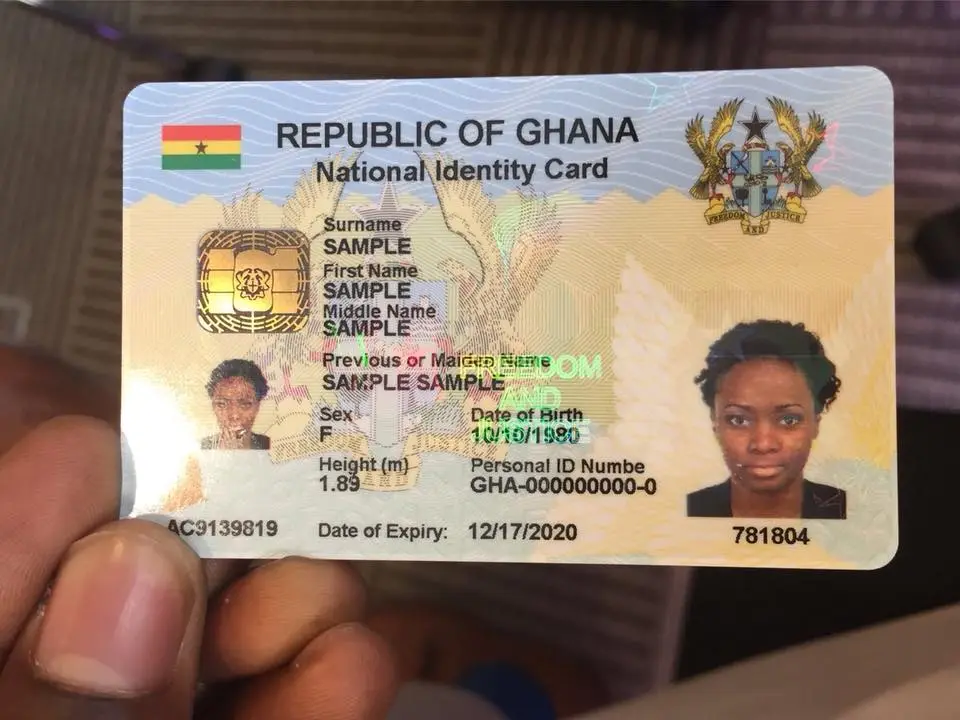
Businesses, financial institutions, and other organizations across Ghana are now required to verify the Ghana Card using biometric authentication instead of relying on photocopies or visual inspection, following new regulations introduced by the National Identification Authority (NIA).
Under the new rules, organisations must use the NIA’s biometric verification application to confirm a person’s identity by scanning the Ghana Card and matching the biometric information stored on it.
Photocopies and Visual Checks No Longer Accepted
Previously, many institutions simply inspected Ghana Cards visually or kept photocopies for their records. According to the NIA, that practice created opportunities for criminals to impersonate legitimate cardholders.
The new regulations make biometric verification compulsory for transactions that require identity confirmation.
NIA Executive Secretary Wisdom Yayra Koku Deku said it is now an offence to rely solely on photocopies or visual inspection of the Ghana Card for official transactions.
Ghana Card Remains Central to Public Services
The Ghana Card has become the country’s primary national identification document since its introduction over the past decade.
It is required for a wide range of services, including opening bank accounts, registering SIM cards, obtaining passports, applying for driver’s licences and accessing various public services.
Each card contains biometric information captured by the National Identification Authority, including fingerprints, iris scans, a photograph and the holder’s signature.
Penalties for Non-Compliance
The NIA warned that organisations that fail to comply with the new verification requirements could face prosecution.
Institutions found using photocopies or visual inspection instead of biometric verification may be fined up to GH¢24,000, while individuals who violate the regulations could face fines of up to GH¢6,000.
The Authority has urged all organisations that are not yet connected to its digital identity verification platform to begin the registration process immediately.
Public Education Expected
The National Identification Authority says the government will soon provide further details on how the amended regulations will be implemented and the steps institutions must take to comply.
The new policy forms part of Ghana’s broader efforts to strengthen digital identity management, improve security, and reduce identity-related fraud across both the public and private sectors.
Source: BBC