

Ghana is set to give mining communities a greater role in decisions concerning mining activities under proposed reforms to the country’s mining laws.
The move forms part of a broader review of the Minerals and Mining Act, 2006 (Act 703), which the government says is aimed at making the mining sector more responsive to local communities, improving regulation and ensuring that the country’s mineral wealth contributes more meaningfully to national development.
Under the proposed framework, District Mining Committees will become an important entry point in the mining licensing process, bringing aspects of decision-making closer to communities where mining activities take place.
Communities to have a stronger voice
For years, mining decisions have largely been handled through central government institutions, sometimes leaving communities that host mining operations feeling excluded from decisions that directly affect their land, livelihoods and environment.
The proposed reforms seek to change this approach by increasing local participation in the governance of the sector.
The Ministry of Lands and Natural Resources has indicated that the new system will decentralise aspects of mining regulation and give district-level structures a greater role in licensing and oversight.
The idea is to ensure that people living in mining areas are not merely recipients of decisions made elsewhere but have a meaningful voice in matters affecting their communities.
Mining leases to include community development agreements
Another significant change under the proposed reforms is the requirement for mining leases to come with a mandatory Community Development Agreement (CDA).
The government says every mining lease under the revised framework will carry an obligation for community development, making such commitments part of the legal framework rather than leaving them entirely to voluntary corporate social responsibility initiatives.
This could have major implications for communities hosting mining operations, particularly in areas where residents have long complained that mining activities generate significant economic value without delivering sufficient development to local people.
Chiefs and communities call for greater participation
The push for stronger community involvement has also featured prominently in consultations on the proposed reforms.
During engagements with traditional authorities in the Western and Western North regions, stakeholders called for local communities and indigenes to be directly involved in decision-making processes.
They also proposed increased royalties and equity for mining communities so that residents can benefit more directly from mineral resources extracted from their areas.
These proposals reflect a broader argument that communities should not bear the environmental and social consequences of mining without having a meaningful stake in the benefits.
A new approach to mining governance
The proposed reforms are part of the government’s wider effort to overhaul Ghana’s mining sector.
The reviewed legislation also proposes changes to the licensing system, including the creation of a new medium-scale mining category, changes to prospecting licences and a maximum 20-year term for mining leases.
Government has also indicated that it wants to end the practice of concession holders repeatedly renewing mining rights without meaningful exploration or investment.
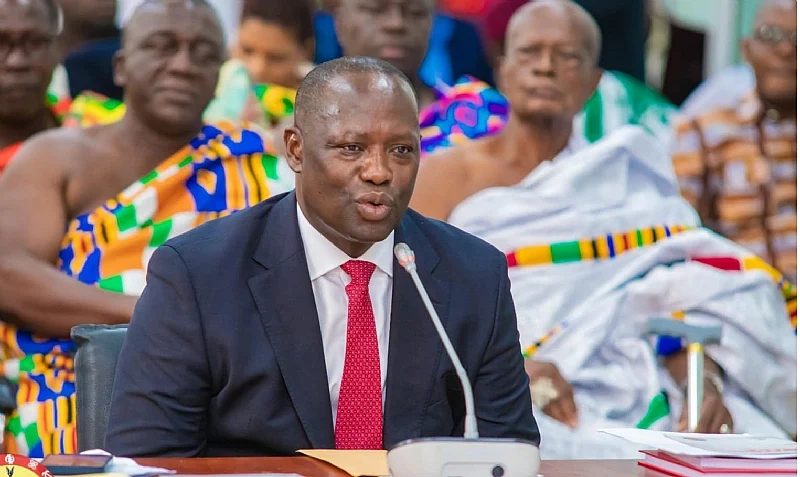
The Lands Minister, Emmanuel Armah-Kofi Buah, has argued that the reforms are necessary to improve accountability, strengthen environmental protection and make the country’s mineral resources work more effectively for Ghanaians.
What it could mean for mining communities
If successfully implemented, the new approach could change the relationship between mining companies, government and host communities.
Communities could have greater opportunities to influence decisions about mining activities, while mandatory development agreements could create clearer obligations for companies operating in those areas.
However, the effectiveness of the reforms will ultimately depend on how the new structures are constituted, how much authority they receive and whether local communities have the capacity and independence to participate meaningfully.
For Ghana, the bigger question remains whether mineral wealth can translate into sustainable development for the people living closest to mining operations.
The proposed reforms suggest a shift in that direction: those who live with the impact of mining should have a stronger voice in deciding how mining takes place and how its benefits are shared.
HeraldGH will continue to monitor developments as the proposed mining reforms move through the legislative process.
Source: Starr FM, Ministry of Lands and Natural Resources, Minerals Commission.